NESO
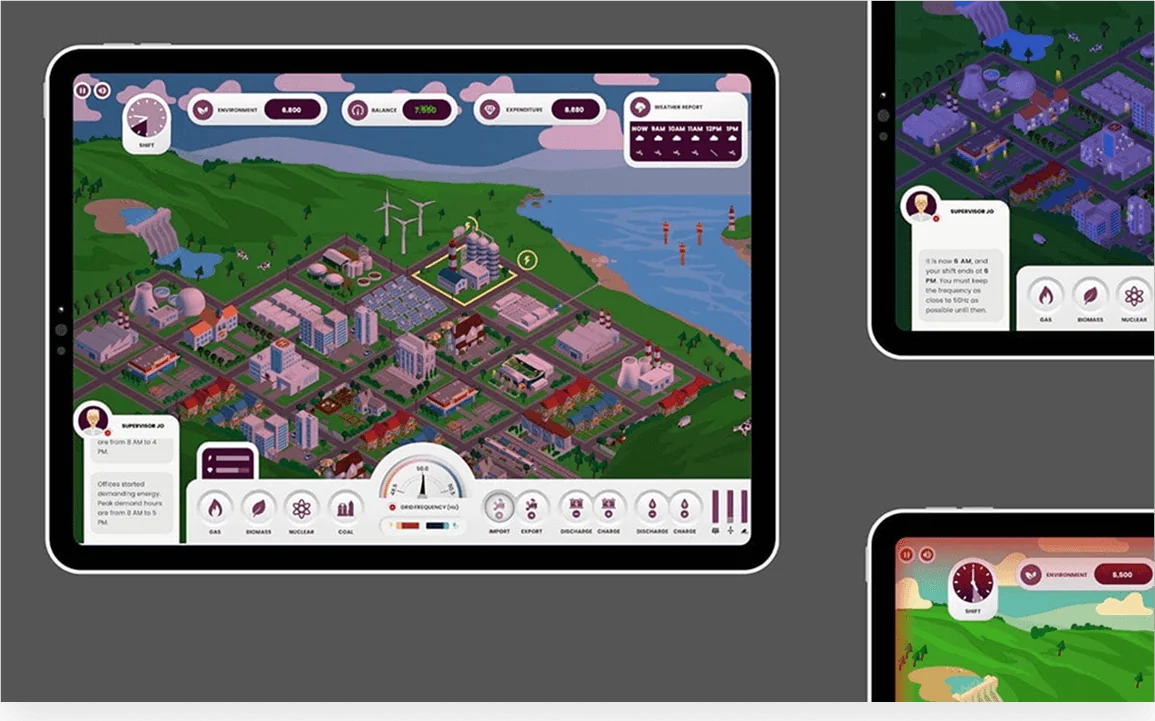
We designed and developed a game for the UK's National Energy System Operator with the aim of communicating its progress towards a 2028 net-zero environmental goal, while educating and raising awareness about energy efficiency.
Read full story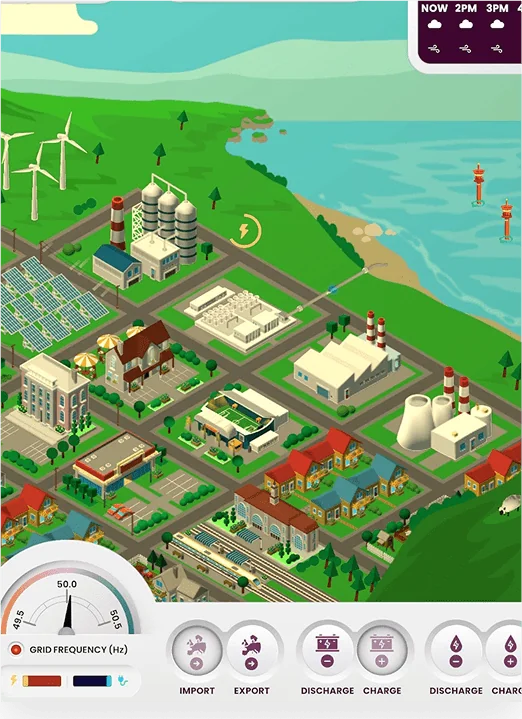
Gamification of energy
ESO challenged us to turn the complexity of Great Britain's energy grid into an engaging and accessible experience, helping stakeholders and the wider public understand the energy transition and how the UK is journeying to net-zero.
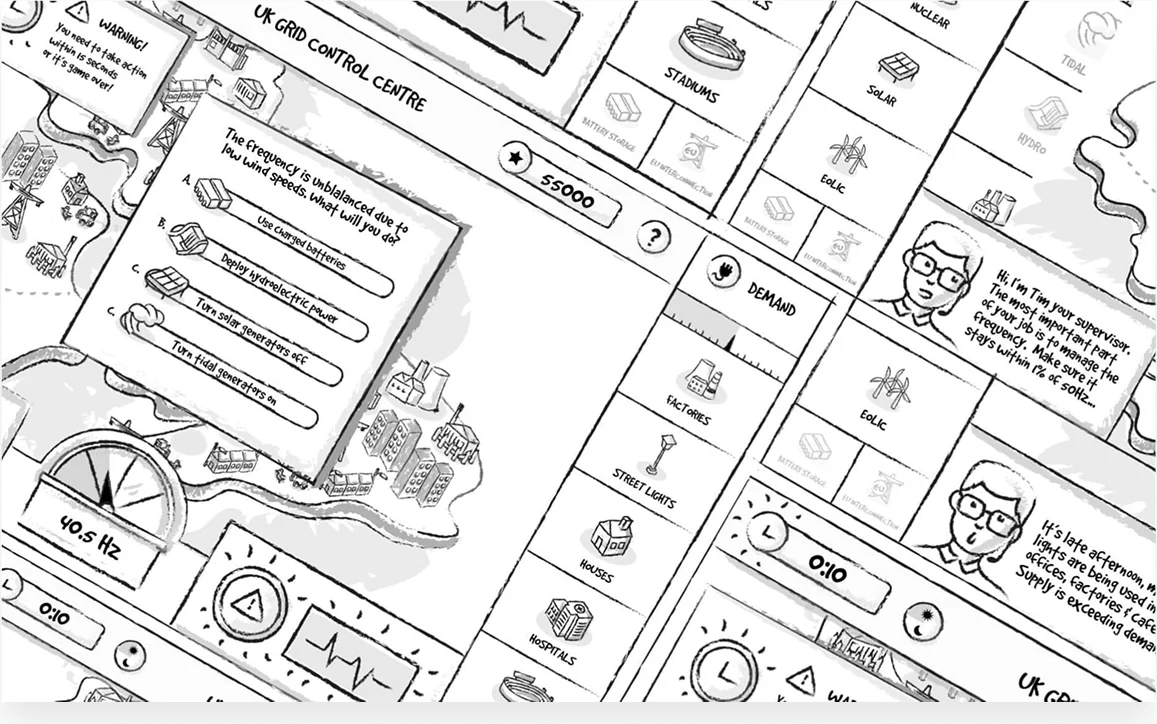
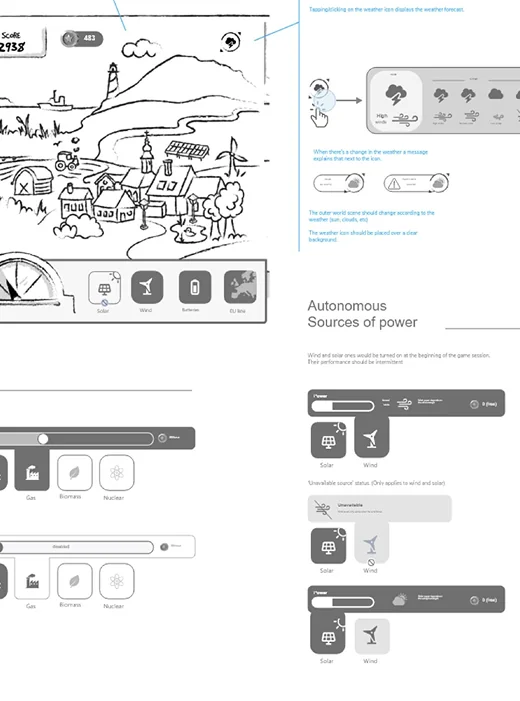
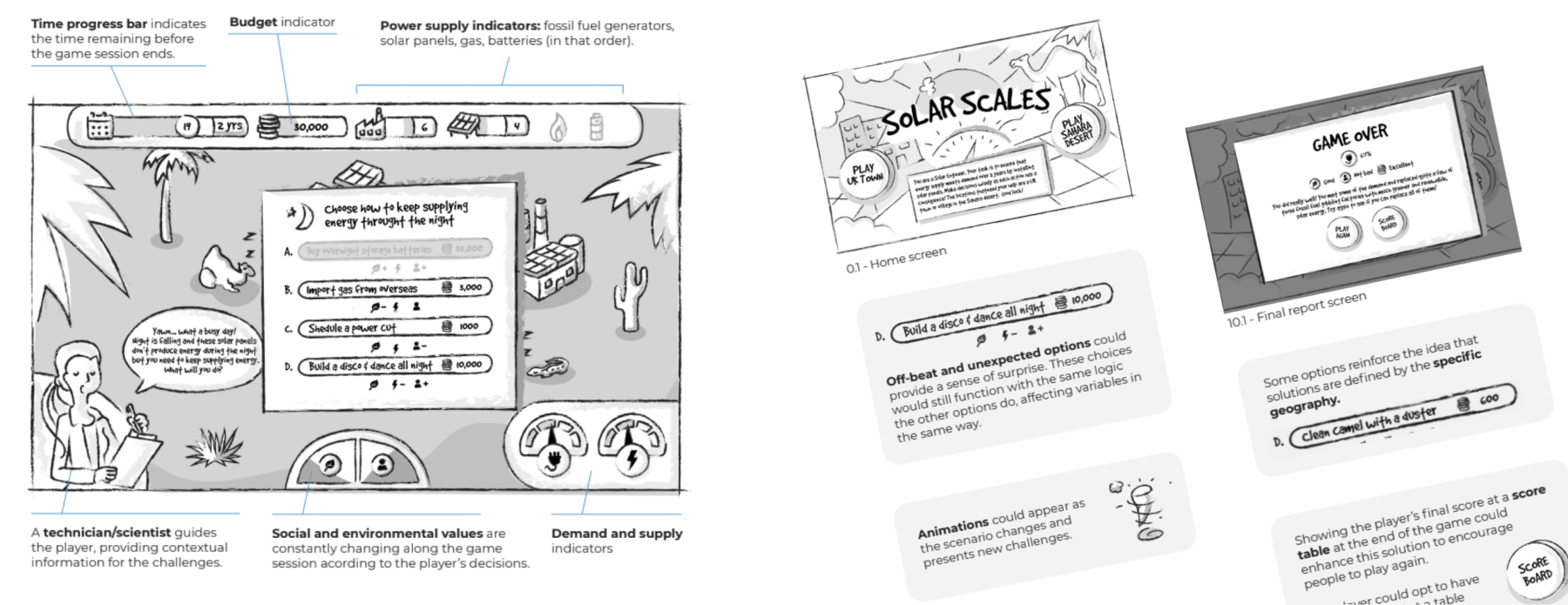
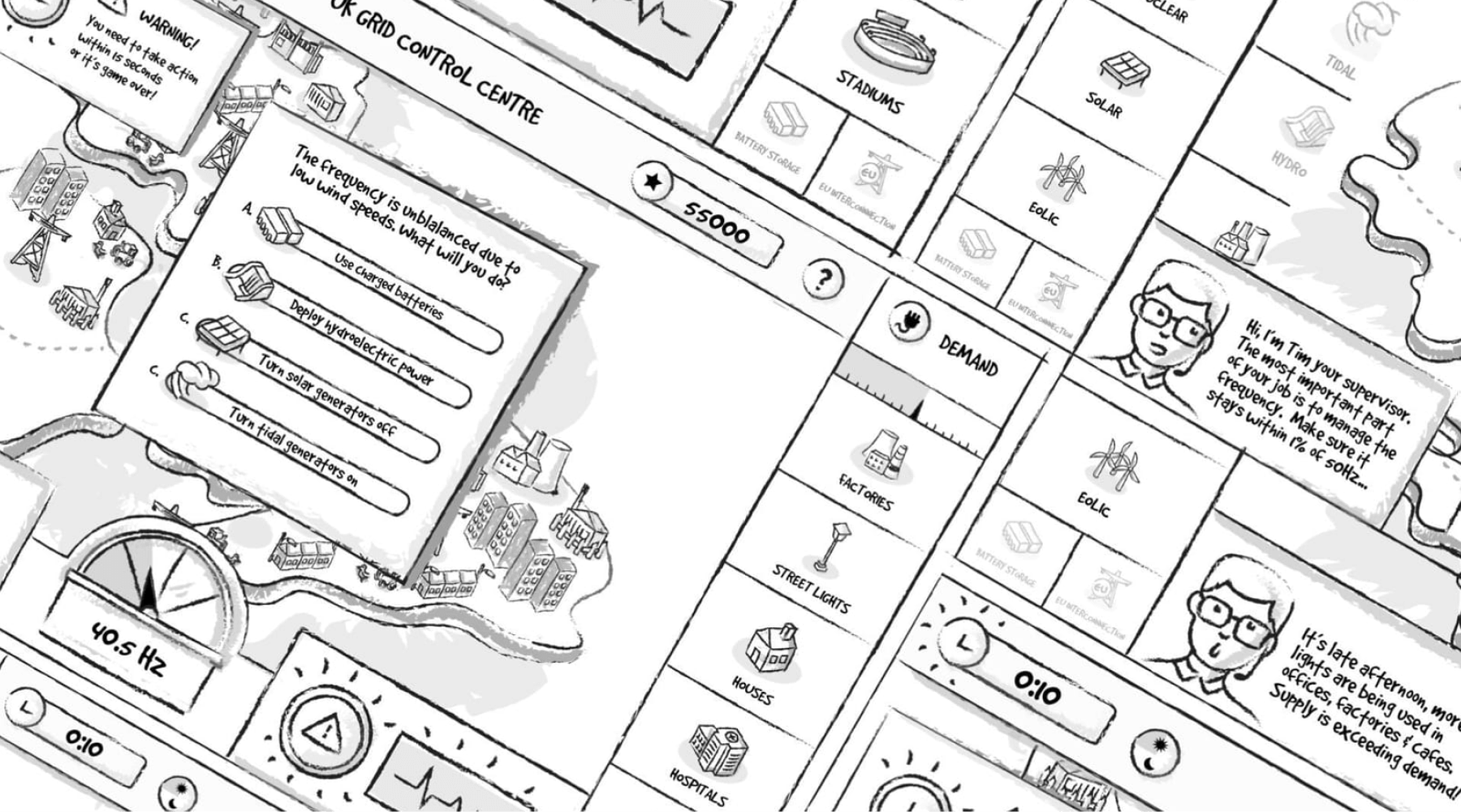
We identified an opportunity to translate the technical characteristics and learning outcomes of the system into an interactive experience: the design of a video game and a gamified player journey.
Understanding the system
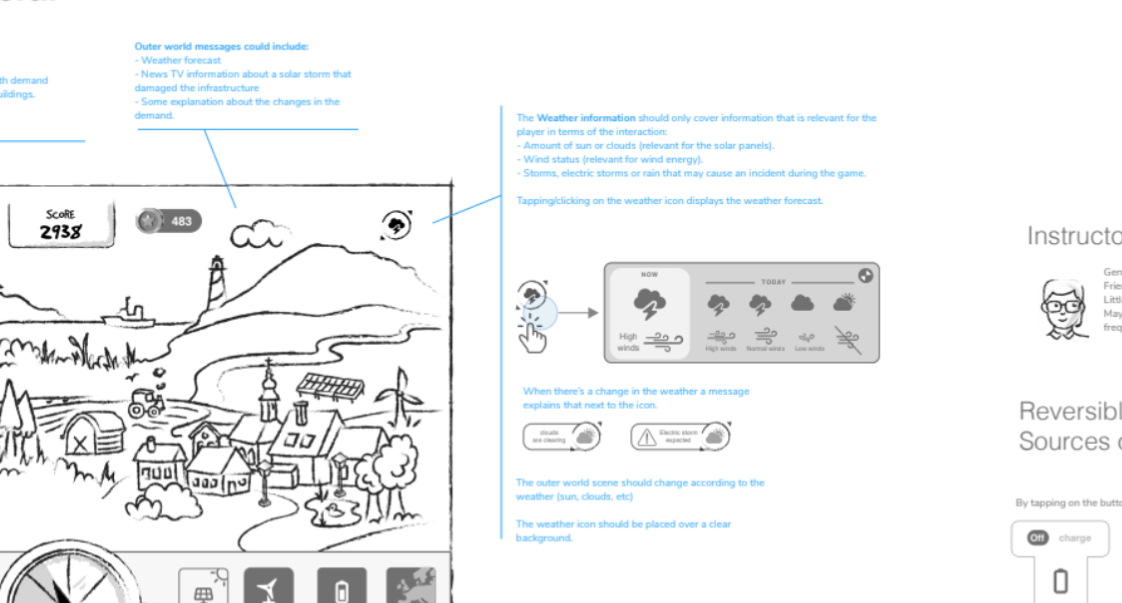
Our process began by understanding how NESO makes real-world decisions to balance the energy system. We researched how different energy sources interact with the grid and identified the key variables and challenges that could be translated into an accessible game experience. The learning outcomes included:
- What frequency is and how it is affected by changes in energy supply and demand.
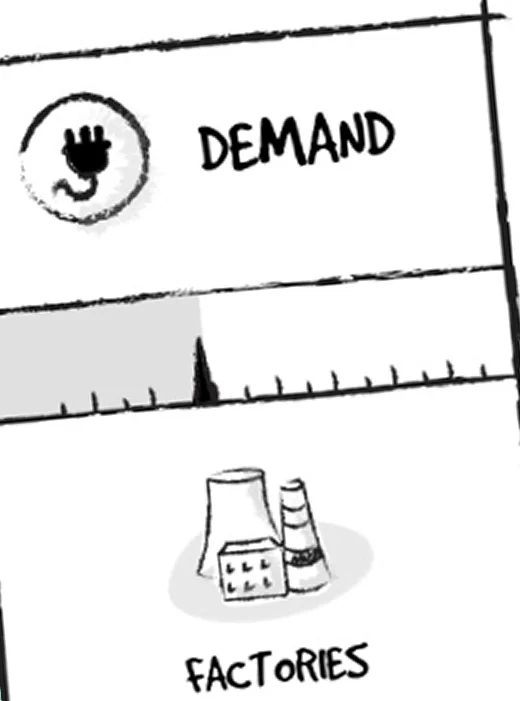
- Energy demand changes over time.
- Different energy supply sources and their benefits.
The goal was to put players in NESO's shoes, allowing them to experience first-hand the decisions and trade-offs involved in managing the grid.
Building the experience in Unity
The goal was to create a fast-paced five-minute game session that would put into play the key energy concepts and learning outcomes. We created an intuitive experience where players could engage with the energy system through simple interactions, without being overwhelmed by complexity.
We used Unity to develop the game, which enabled us to bring the interactive experience, gameplay mechanics and visual identity together in a responsive and engaging digital environment.
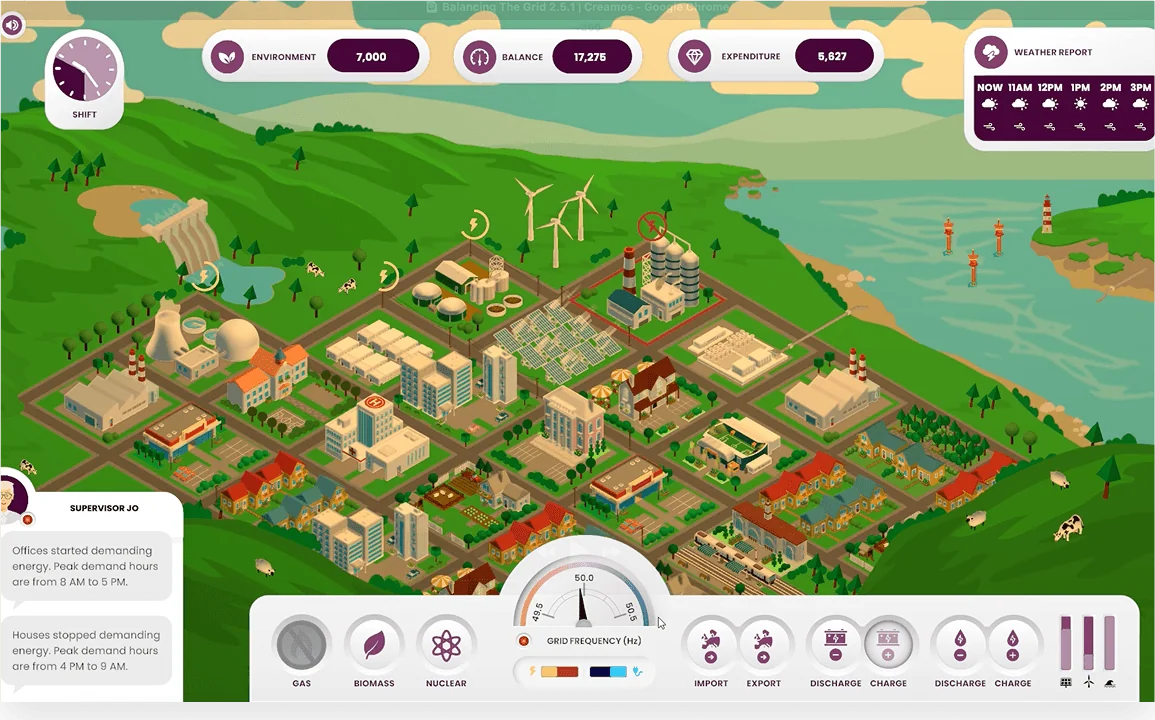
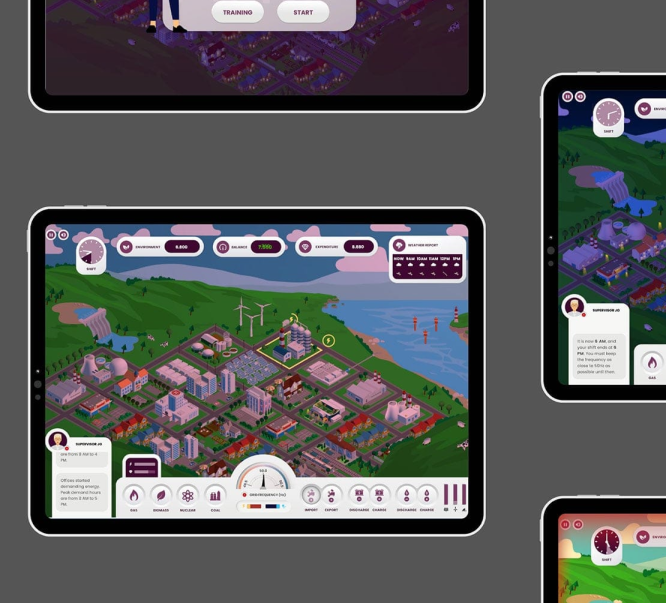
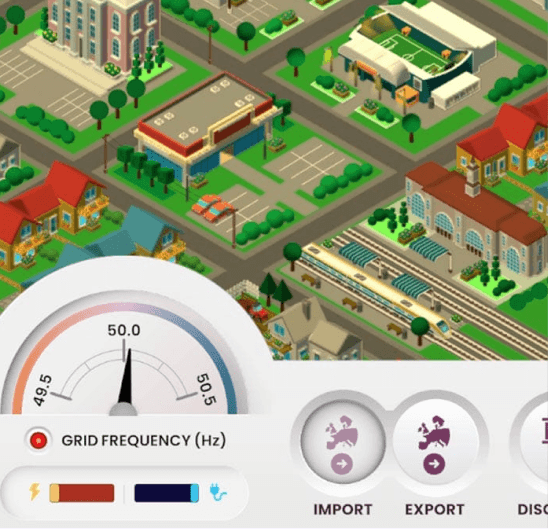
We created a 2D isometric energy simulator built around the narrative of a first-day operator in the control room. Players monitor energy demand and make real-time decisions to keep the grid frequency balanced by purchasing energy supply throughout an eight-hour shift, while aiming to achieve the highest possible scores across environmental impact, energy efficiency and expenditure.
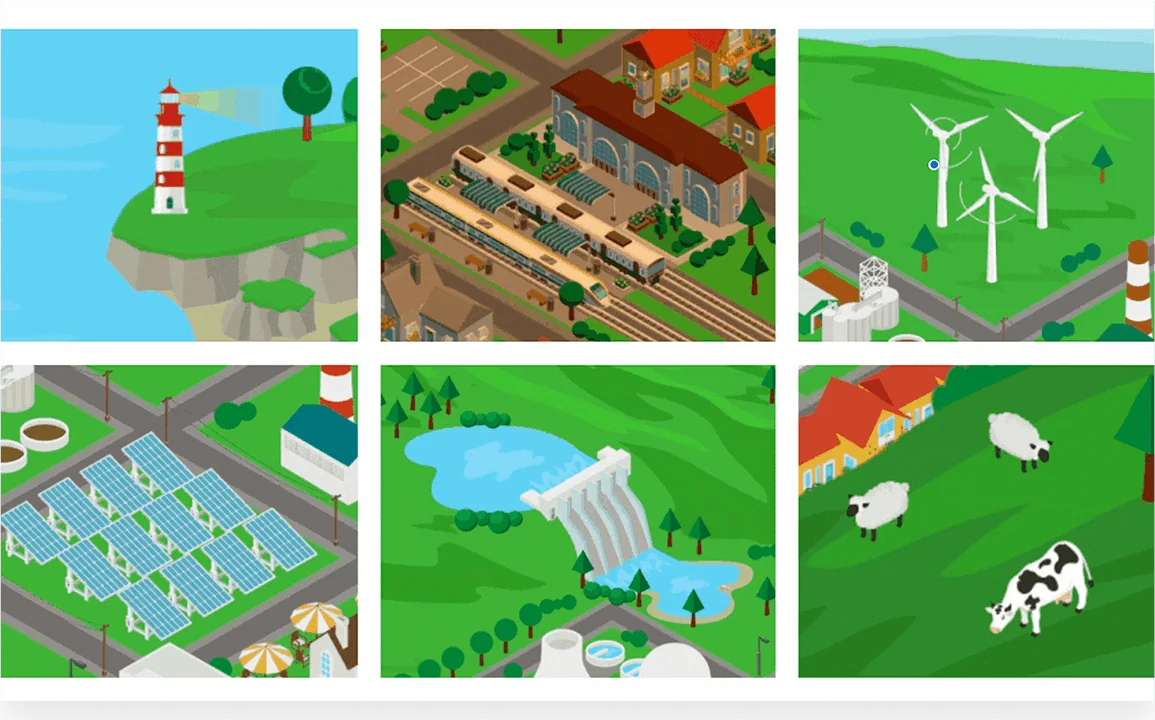
To support the narrative and immerse players in the experience, we developed animations using the brand's visual identity and incorporated realistic sound effects inspired by the control room.
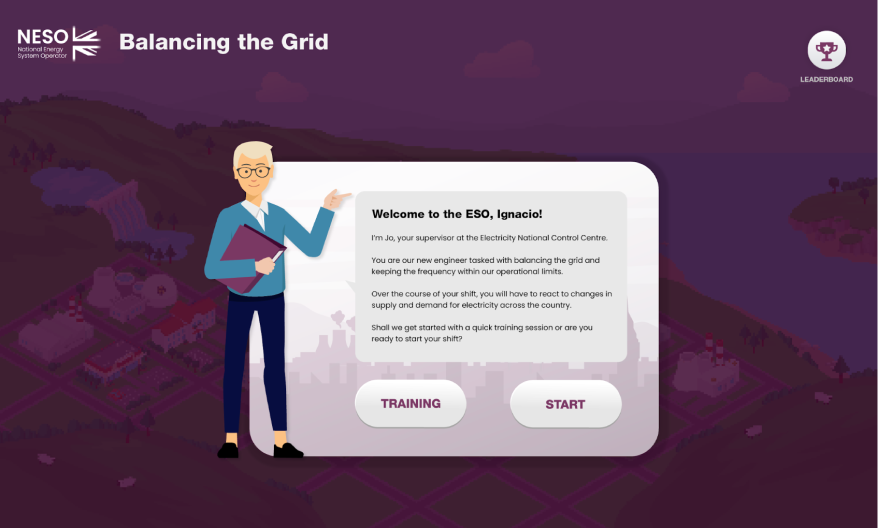
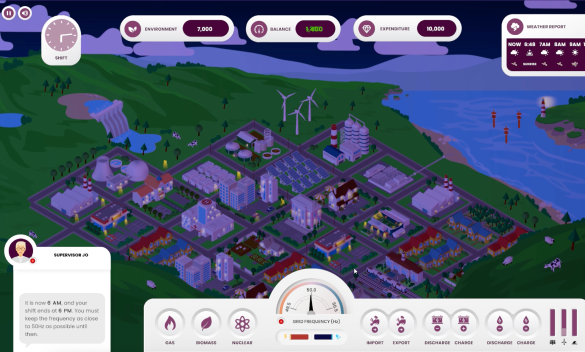
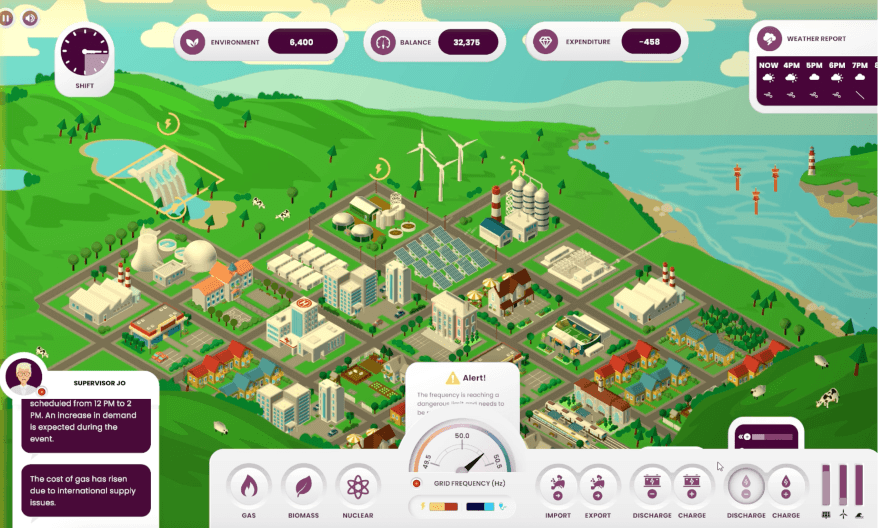
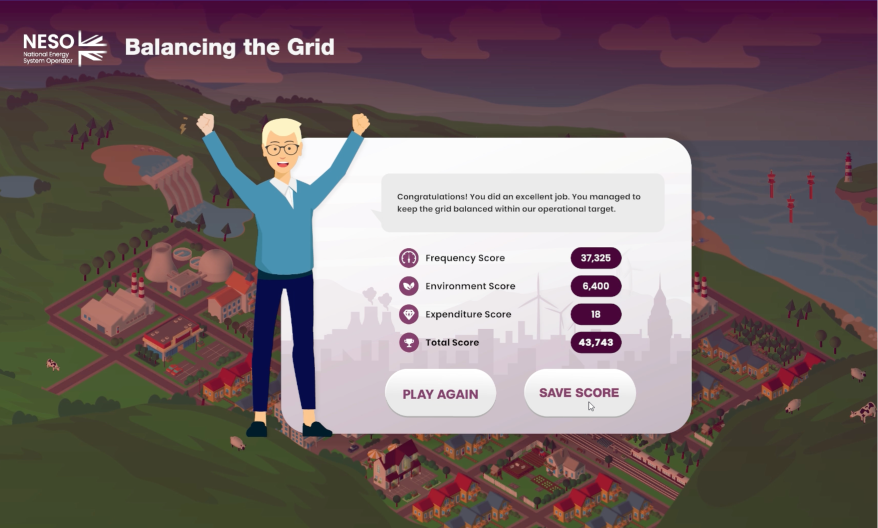
Close-up of the animations featured in the game.
The experience was structured around the following gameplay elements:
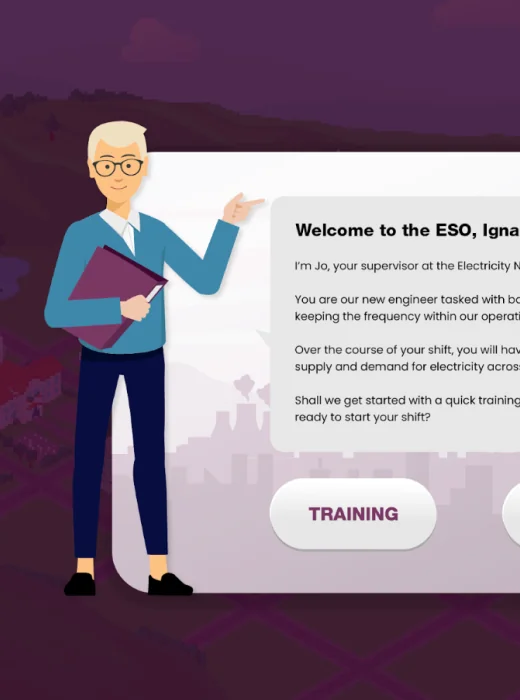
Start screen intro
Onboarding into the control-room narrative and the shift ahead.
Instruction system
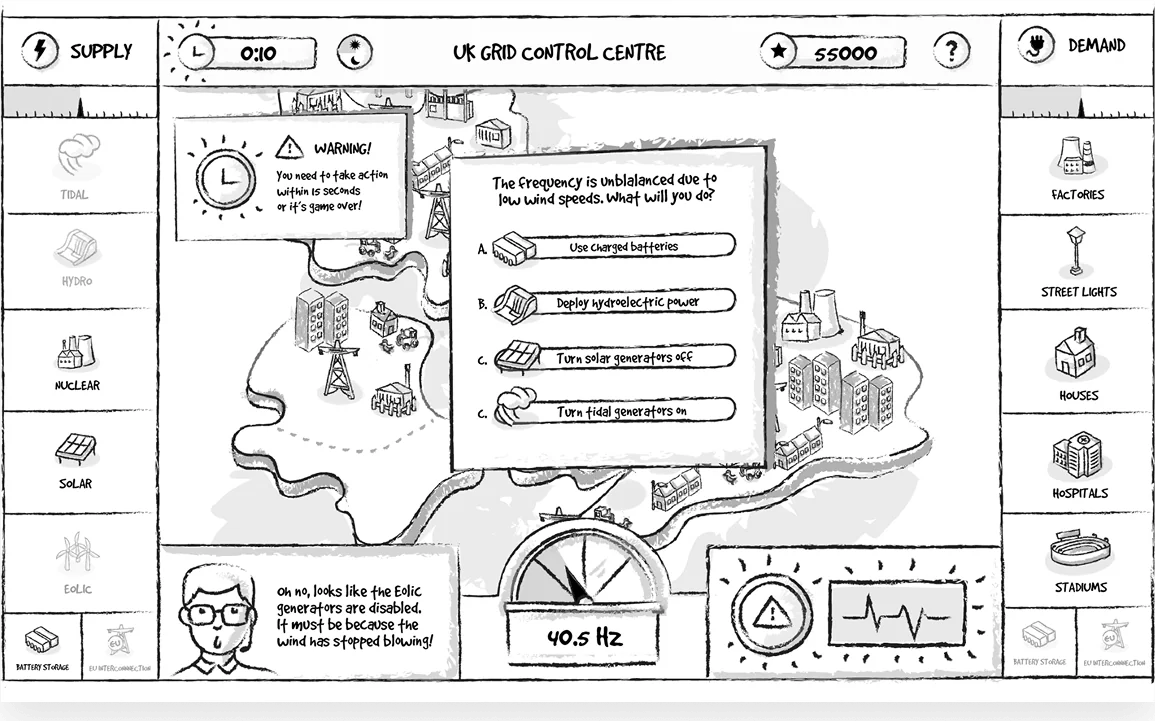
In-game challenges: weather (wind, sun), day-cycle and power break-downs.
Score
Environment, energy efficiency and expenditure — the three axes the player is judged on.
Energy HUD
Frequency bar, supply and demand sources, ready to be adjusted in real time.
Supervisor
Communicates key insights and challenges as the shift unfolds.
End-screen results
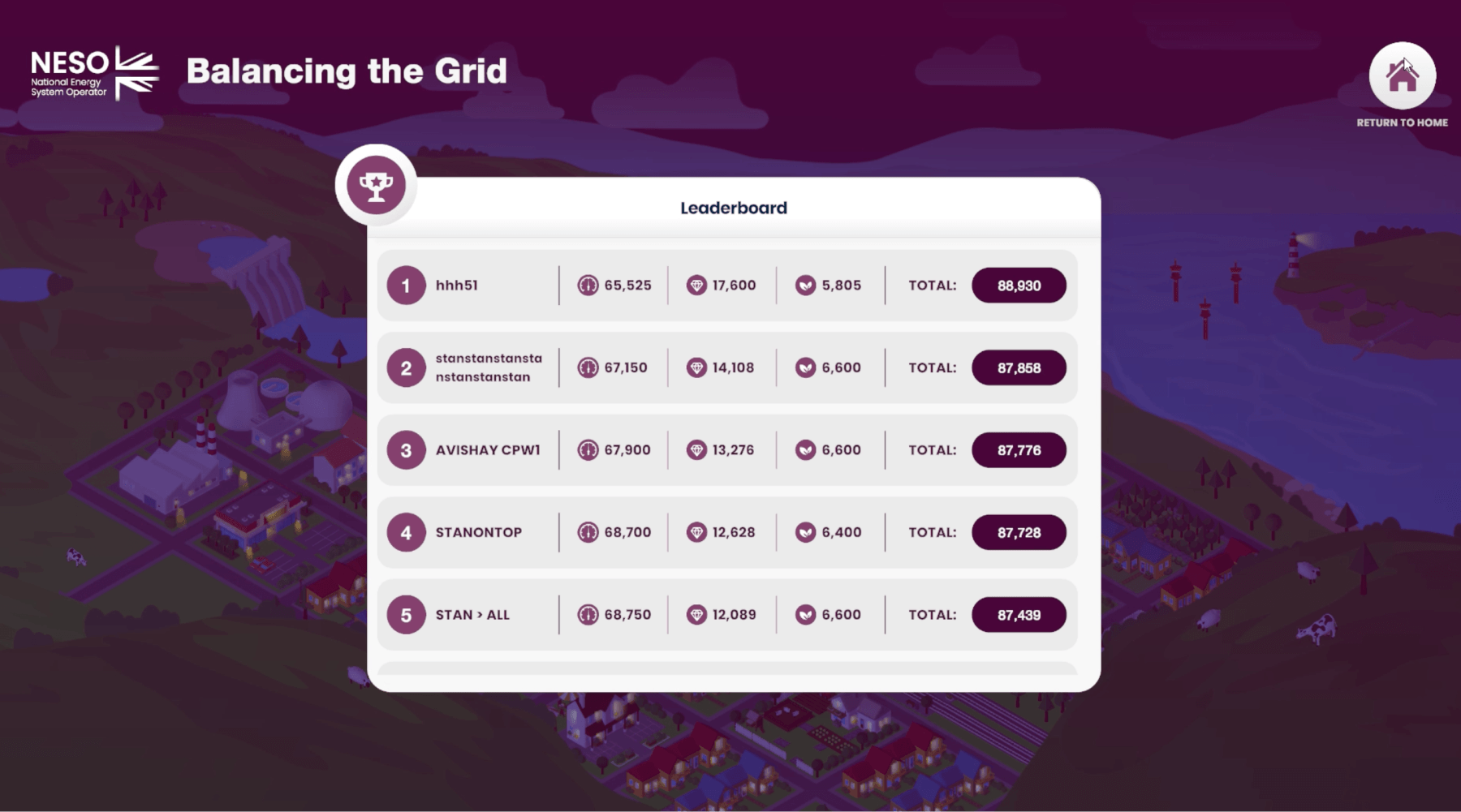
A recap of the shift's decisions, scores and the leaderboard entry.
What we achieved
The game was first brought to life during a launch event, where it was presented on a large screen to an audience that included business leaders and politicians. Attendees, which included the Prime Minister, were able to play the game for the first time.
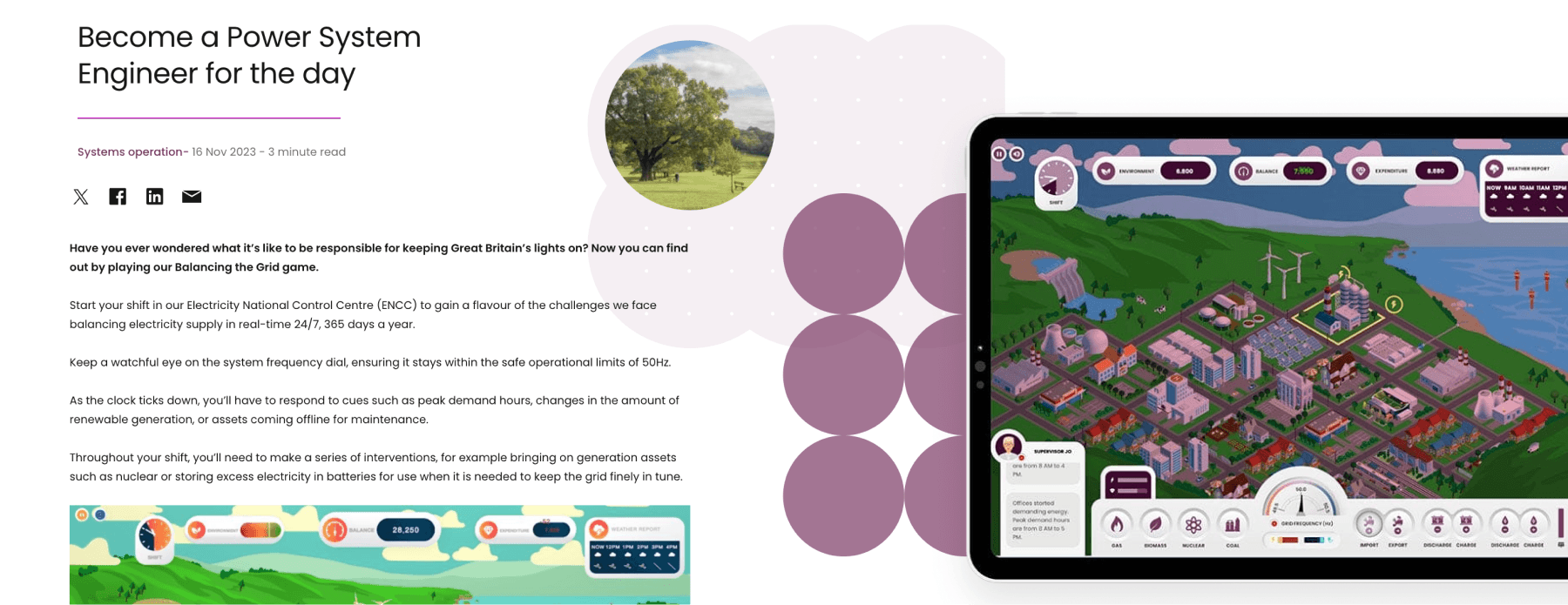
Following its live launch, the game was integrated into NESO's website, extending the experience beyond the event and making it accessible to a wider audience. The game has over 15,000 saved scores accumulated over the last three years.
Security hardening
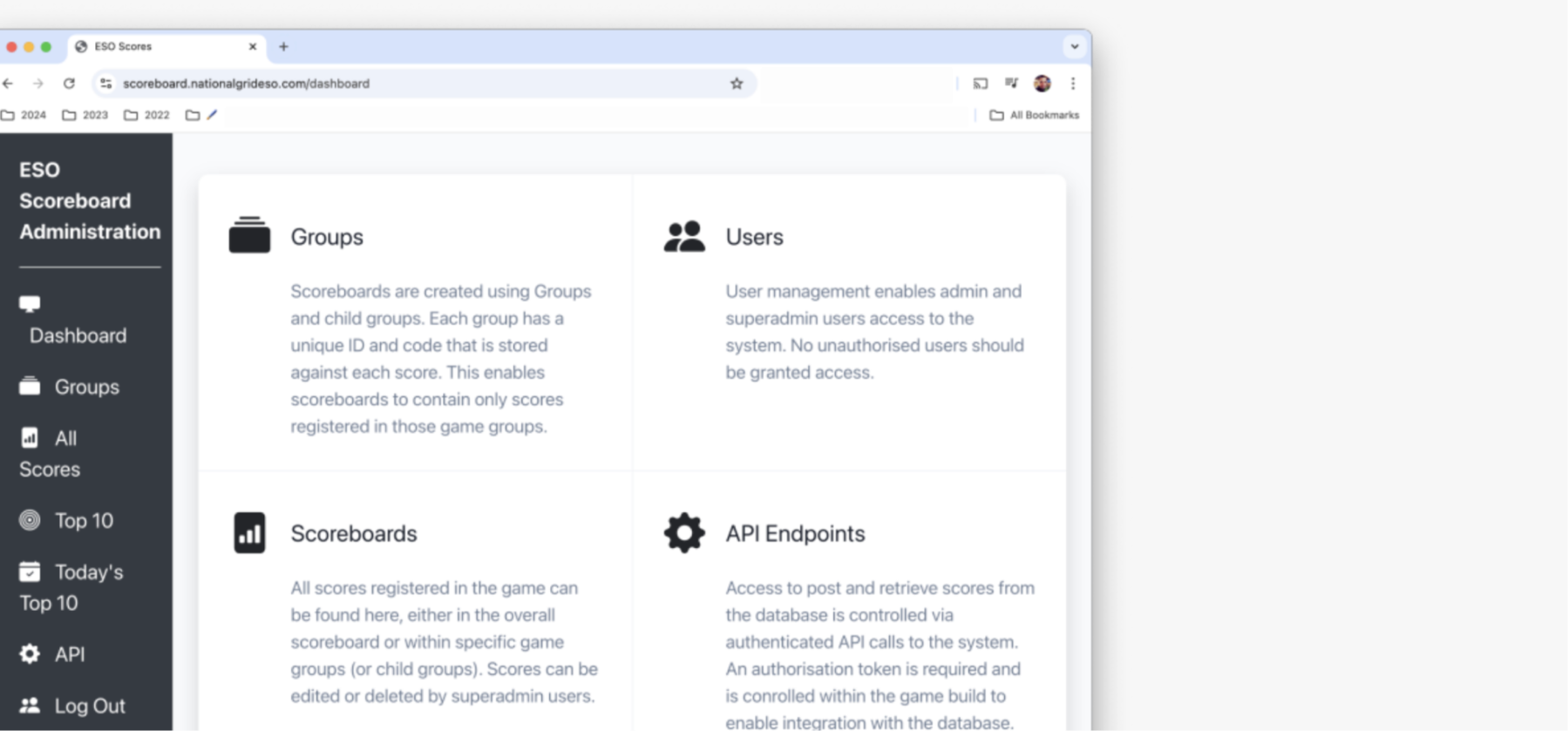
We also implemented security measures to protect the game and its infrastructure. Server access was restricted to authorised connections, with a firewall blocking any unnecessary traffic. We also set up regular automated backups to help keep the platform secure and recoverable. Over the three years the game has been live, it has had 99.9% uptime.
Aligning the game with NESO's new identity
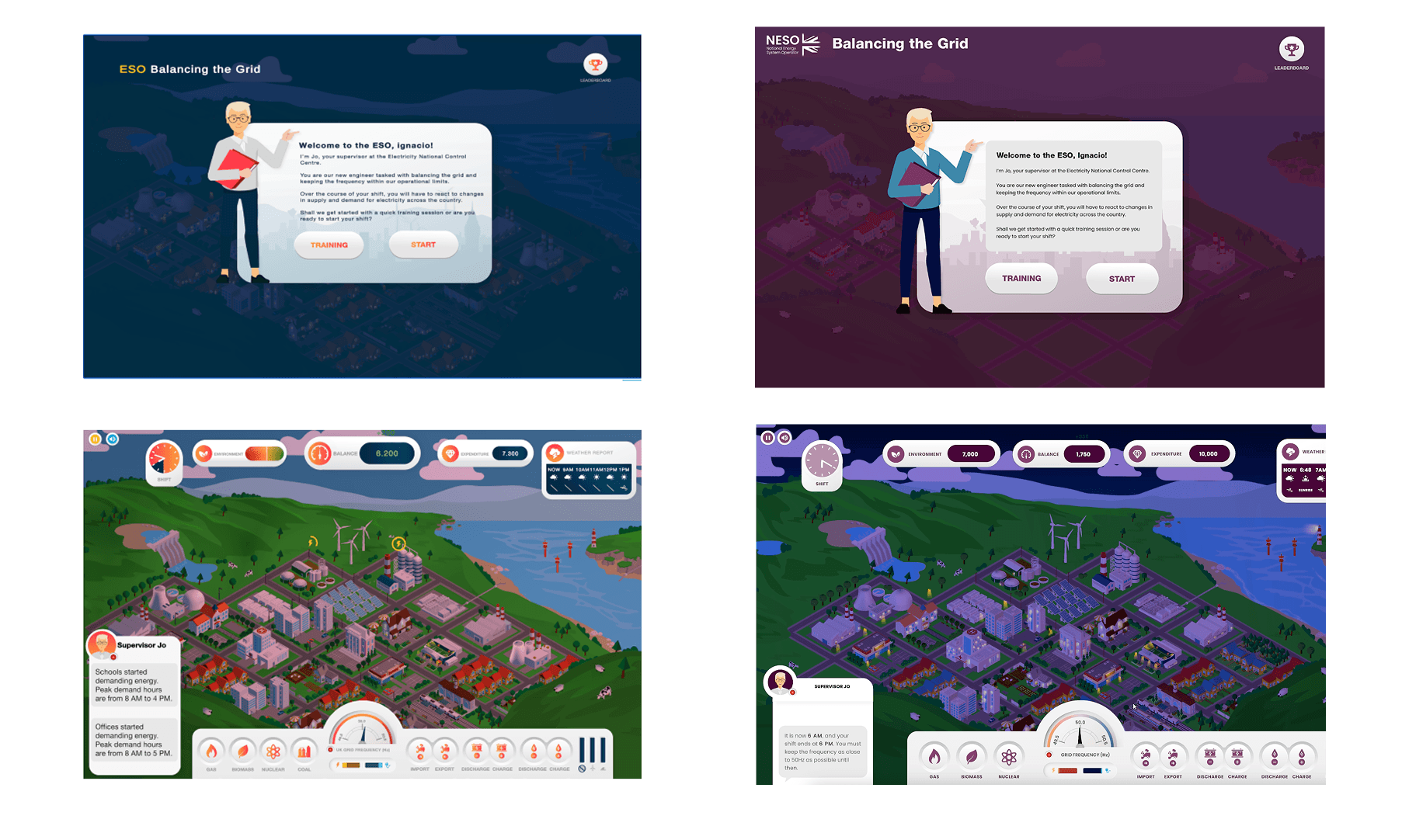
Following the successful delivery of the project, we were invited to support the National Energy System Operator's rebrand, as part of the government's acquisition of the organisation.
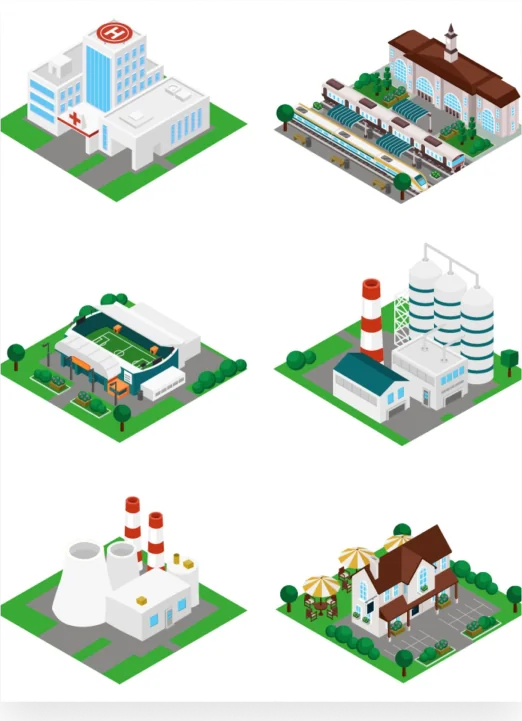
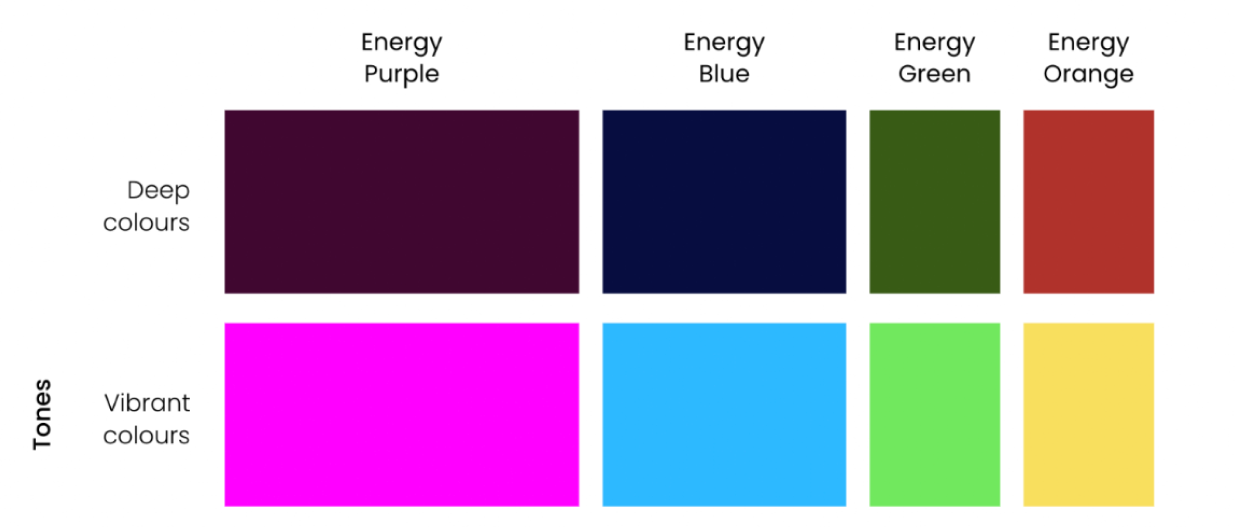
Our role was to translate NESO's core values and evolving brand identity into the visual language of the game. The redesign introduced elements that reflected the organisation's Net-Zero commitment, and we made it accessible to a wider audience. We reworked visual assets across the energy mix, and new grid challenges were introduced to engage players with the complexities of the energy transition.
Making the grid understandable
The energy transition is a national conversation, but the grid itself is a system very few people ever get to see. Balancing the Grid puts a five-minute version of that job in front of the public, so the trade-offs behind Britain's net-zero ambition (supply, demand, frequency, cost) stop being abstract and start being felt.
The work sits against UN Sustainable Development Goals '7 - Affordable and Clean Energy' and '13 — Climate Action', not by talking about them, but by giving people the system-level intuition needed to support the transition.
Ready to accelerate?
Tell us about your startup, the challenge you're facing and the milestone you're working towards.
Start the conversation →